Data-driven decision making - the process of making decisions based on actual data and not intuition or observation alone - is the foundation of Best in Class digital adoption strategies.
In this video, hear how Digital Adoption Professionals create a data practice for their programs.
What Makes a Good Goal?
In order to let data inform progress, and success, it's important to first define it. Starting with a SMART goal ensures the work your team is doing can be measured and informed with data.
Specific
Measurable
Attainable
Relevant
Time Bound
For example:
Specific: Improve usage of quoting tool
Measurable: To achieve 75% weekly active usage
Attainable: ASK - can we achieve this?
Relevant: ASK - will this affect our strategic goals?
Time Bound: In the next 90 days
Aligning Strategic Goals to Digital Adoption Goals
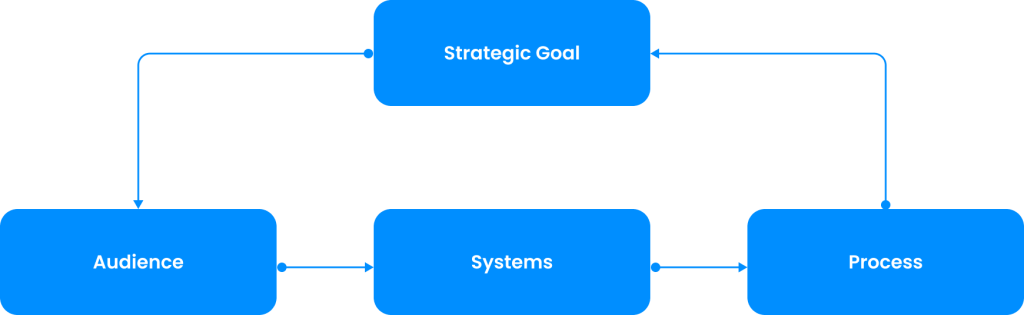
Strategic Goals are clear and understandable objective for a company or team. These are typically large time bound goals aligned to revenue, margin, or organizational risk. However, to get to a Digital Adoption (or technically dependent) Goal, discovery and cascading is often needed.
You can complete this by starting with the following exercise of questions:
Strategic Goal What is your organization trying to achieve?
Systems What systems and tools are in place to help you achieve that goal?
Audience What teams (users) are involved in helping to achieve that goal?
Process What process are critical to that success
Defining Metrics to inform your Digital Adoption Goals
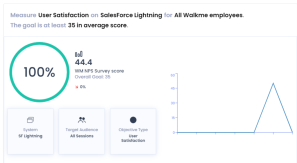
As mentioned, all goals should be SMART goals. A critical piece of that is ensuring that the goal is measurable. For Digital Adoption Goals, these metrics should be user behavior based that has an influence or correlation to the strategic goal.
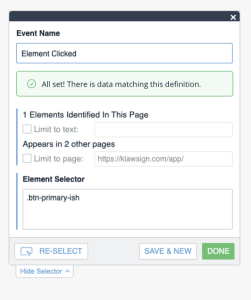
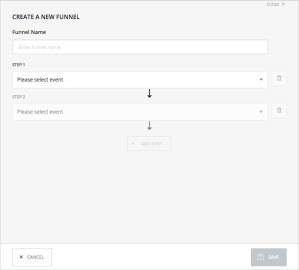
Consider starting with foundational operational metrics:
Now that you have baseline data you're able to identify improvement opportunities and define a better after state. Define a hypothesis to identify potential issues and identify how you can improve the current baseline data, It's easy.
Define the Experiment
Define the Audience
Define the Outcome
For example:
We believe that guiding users through this complex process with a smart walk through
Will help our north american mid-market service agents
Improve our single-session completion rates by 35% in the next 6 months
Step 3: Start a project and experiment!
Now that you've established the goals, metrics, and data points that are going to inform the success of your WalkMe project - see how your project drives a change in outcomes and metrics and remember - it's OK if it doesn't! Return to the Hypothesis stage often and quickly. Iterate on your solution and track change in metrics.